Regulatory Adjustments Across States Reshape Gambling Promotional Strategies
Riley Neumann · Sep 14, 2026
Regulatory Adjustments Across States Reshape Gambling Promotional Strategies
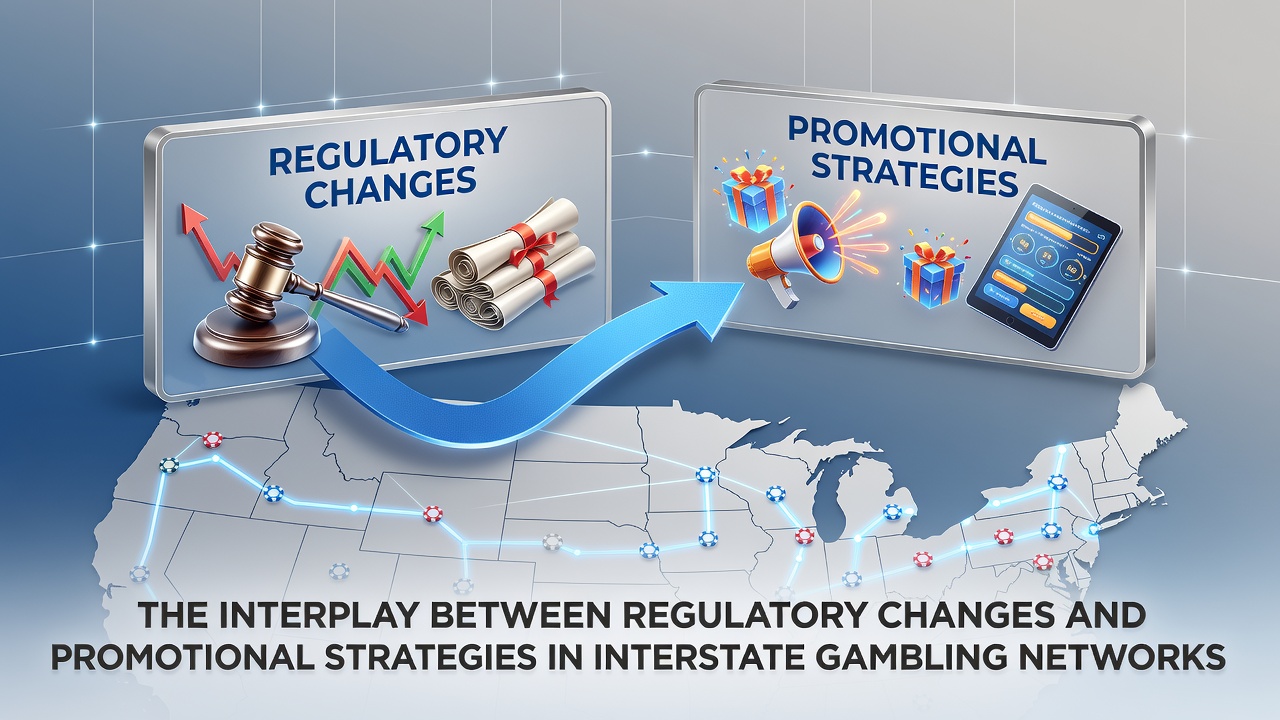
Regulatory frameworks in multiple jurisdictions continue to evolve and operators in interstate gambling networks respond by refining promotional campaigns to maintain compliance while reaching players in different regions, and this dynamic has gained momentum through 2026 as states update licensing rules and advertising standards. Data from industry reports indicate that operators adjust bonus structures, loyalty rewards, and targeted marketing based on varying state requirements, with changes often implemented within weeks of new legislation taking effect.
State-Level Rule Updates Drive Targeted Campaign Shifts
States such as New Jersey and Pennsylvania have introduced modifications to bonus caps and disclosure requirements in recent months, prompting networks that operate across borders to segment their promotional offers by user location. Observers note that companies now deploy geo-specific campaigns where a player in one state receives different bonus terms than someone in an adjacent jurisdiction, and this approach helps avoid violations while sustaining engagement levels. Research from the American Gaming Association highlights how these adaptations have led to increased use of conditional promotions tied to verified residency data.
Operators track legislative calendars closely because even minor wording changes in advertising guidelines can affect entire multi-state campaigns, and in September 2026 several states are scheduled to review sports betting promotional limits which could trigger another round of adjustments. Those who manage large networks often test revised offers in pilot markets first before rolling them out more broadly to assess player response under the new rules.
Technology Supports Compliance in Cross-Border Promotions
Digital platforms enable real-time filtering of promotional content based on player IP addresses and account verification, allowing networks to present compliant offers without manual intervention for each user. Figures from regulatory filings reveal that adoption of such systems has risen steadily as operators expand into additional states, and this infrastructure reduces the risk of presenting unauthorized incentives across lines where rules differ. Experts point out that these tools also generate audit trails which satisfy reporting demands from multiple oversight bodies simultaneously.
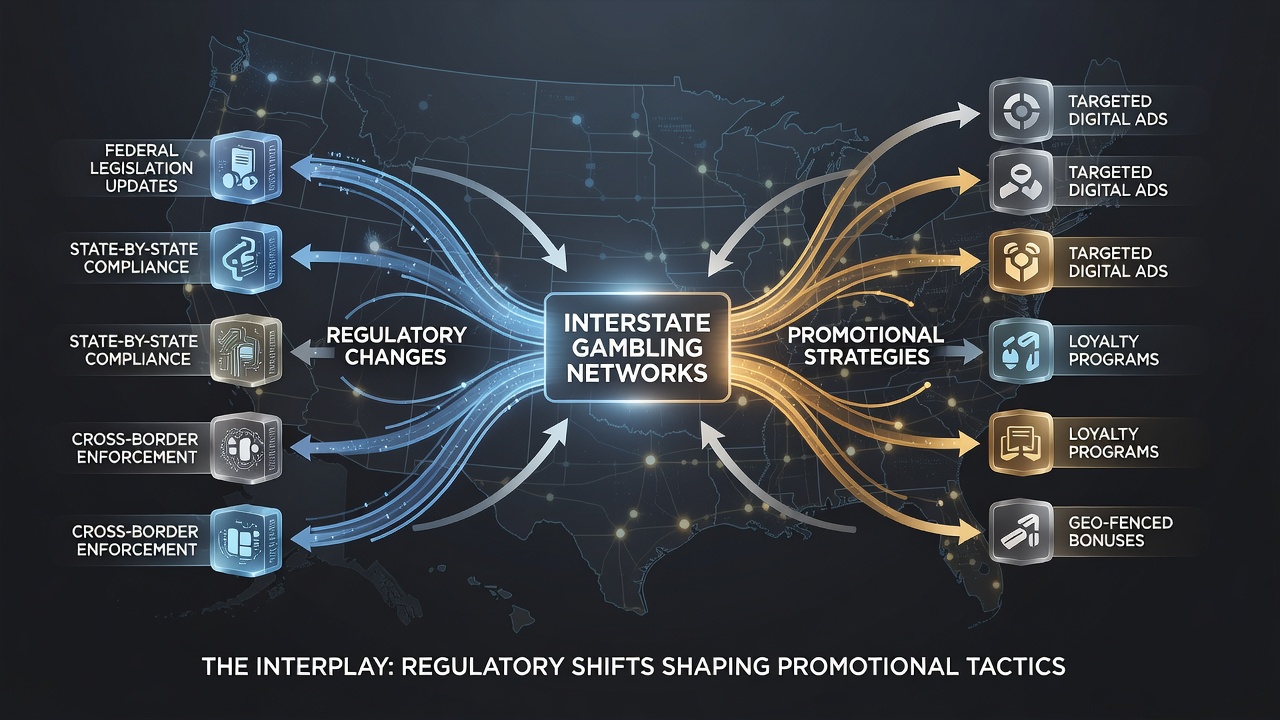
Case examples show networks integrating wallet-based verification that automatically applies the correct promotional parameters once a player crosses into a new regulatory zone, and this method has become common in operations spanning five or more states. Data indicates fewer compliance incidents when these automated systems handle the segmentation compared to earlier manual review processes.
Industry Reports Track Effects on Player Retention Efforts
Analyses conducted by the Alcohol and Gaming Commission of Ontario document similar patterns in cross-jurisdictional promotions where regulatory alignment influences loyalty program design, and U.S. networks have adopted parallel strategies. Retention metrics from multi-state operators show that localized offers maintain higher engagement rates than uniform national campaigns, particularly when regulations limit certain bonus types in specific areas. Companies adjust reward tiers and redemption options accordingly to align with each participating state's guidelines.
Promotional calendars now incorporate buffer periods around anticipated regulatory announcements so that campaigns can pivot quickly without disrupting ongoing player activity, and this planning has become standard practice among larger networks. Evidence from operational reviews suggests that proactive adjustments correlate with steadier revenue streams across state lines despite shifting rules.
Conclusion
Interstate gambling networks continue to refine promotional strategies in response to ongoing regulatory updates, with technology and segmented campaigns serving as primary tools for maintaining compliance. Reports from organizations such as the American Gaming Association and the Alcohol and Gaming Commission of Ontario provide ongoing data on these adaptations, and operators monitor legislative developments to keep offers aligned with current requirements in each jurisdiction. This interplay shapes how promotions reach players while supporting network expansion across state boundaries.