Interstate Data Sharing Protocols Reshape Progressive Jackpot Mechanics Across Regulated American Markets
Riley Neumann · Nov 9, 2026
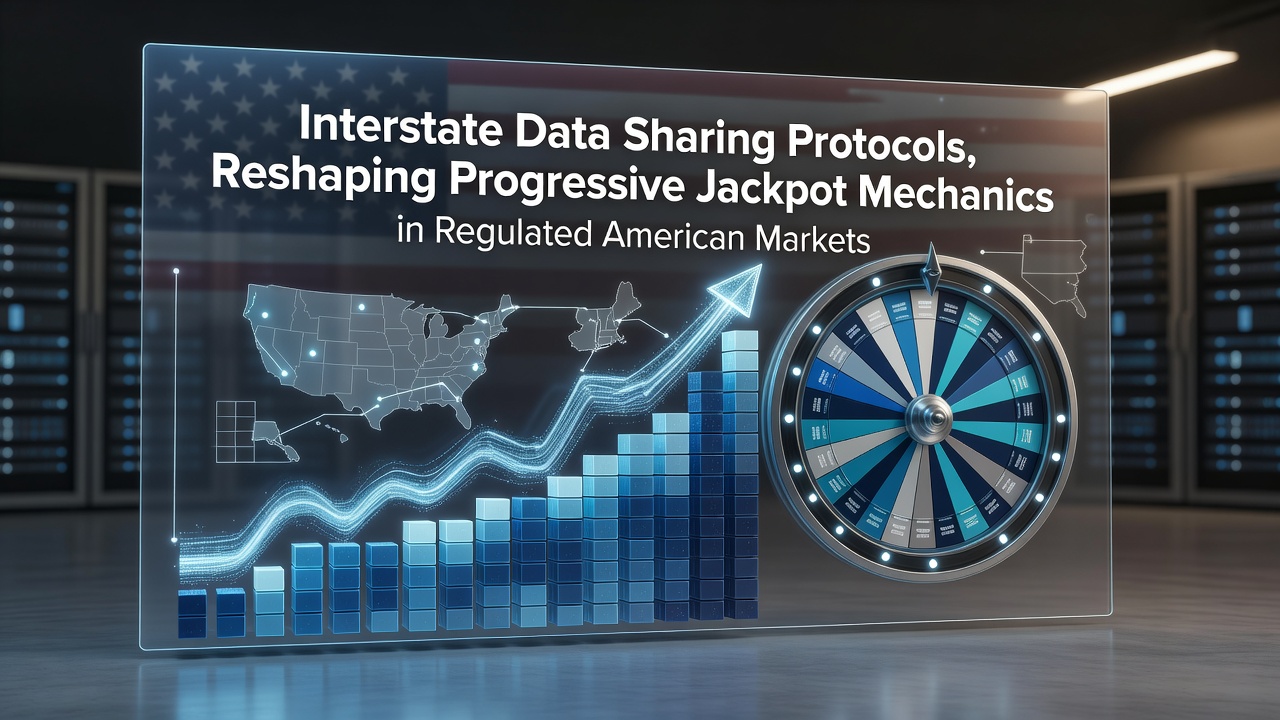
Interstate Data Sharing Protocols Reshape Progressive Jackpot Mechanics Across Regulated American Markets
Interstate data sharing protocols have begun to connect progressive jackpot systems across multiple regulated U.S. states, and this integration allows operators to pool contributions from players in different jurisdictions while maintaining compliance with each state's specific rules. Observers note that these protocols rely on secure, encrypted exchanges between state gaming commissions and casino networks, which enables real-time updates to jackpot amounts without violating local licensing requirements. Data from regulatory filings shows participation from states including New Jersey, Pennsylvania, Michigan, adn West Virginia, where systems now share player contribution data through standardized application programming interfaces developed in coordination with industry groups.
Technical Foundations Behind the Protocols
Engineers at major gaming technology providers designed these protocols around common data standards that track coin-in values, player eligibility, and prize distribution rules, and the frameworks incorporate audit trails that each participating state can access independently. Researchers at academic institutions studying gambling technology have documented how the protocols use timestamp synchronization to prevent discrepancies when a jackpot triggers in one state but draws contributions from others, while automated reconciliation processes settle funds according to pre-agreed allocation percentages. According to reports issued by the American Gaming Association, over 180 casino properties had adopted compatible data-sharing modules by the end of October 2026, which produced measurable increases in average jackpot sizes compared to single-state pools operating the previous year.
Changes to Jackpot Growth and Player Eligibility
Progressive mechanics have shifted because contribution rates now factor in cross-border player activity, and this adjustment means a single jackpot can grow faster when traffic from multiple states feeds into the same meter. Those who have reviewed system logs from multi-state operators report that eligibility checks now include verification against shared databases to confirm a player meets age and location requirements in the jurisdiction where the bet originated. In November 2026 several networks activated enhanced geofencing layers that cross-reference device location data with state licensing records, and this step reduced instances of ineligible entries that previously required manual reviews.
What's interesting is how prize payout procedures adapted as well, since a winning spin recorded in Pennsylvania might trigger a payout funded partly by wagers placed in Michigan, and settlement systems now route funds through clearinghouses approved by each state's treasurer. Figures released by the National Council on Problem Gambling indicate that average progressive jackpot values in participating markets rose 27 percent between January and November 2026, while the frequency of seven-figure payouts increased from 14 events in 2025 to 22 events through teh first eleven months of 2026.

Regulatory Coordination and Compliance Measures
State regulators have established joint oversight committees that meet monthly to review shared data integrity reports, and these groups examine metrics such as contribution accuracy, latency in meter updates, and any anomalies flagged by automated monitoring tools. The Multi-State Lottery Association provided technical templates that gaming commissions adapted for casino environments, which helped standardize how operators report daily activity to multiple authorities simultaneously. Observers note that audit requirements now include random sampling of cross-state transactions, and independent testing labs certified under standards from the International Association of Gaming Regulators conduct quarterly reviews to confirm protocol compliance.
Operators must maintain separate reserve accounts for each participating jurisdiction, yet the protocols allow instantaneous reallocation when a jackpot hits, and this arrangement keeps funds segregated while still supporting larger prize pools. Data indicates that dispute resolution times dropped from an average of 11 days in single-state systems to under 48 hours once shared ledgers became operational, because all parties can reference the same immutable transaction records.
Market Impacts Observed in Late 2026
Revenue reports from regulated markets show that progressive slot handle grew 19 percent year-over-year in states using the new protocols, and analysts attribute part of the increase to larger advertised jackpots that draw players across state lines through online platforms. Casinos in smaller markets have gained visibility because their local player contributions now feed into jackpots previously dominated by high-volume states, and this leveling effect appears in meter growth statistics published by several gaming control boards. In November 2026 Michigan and Pennsylvania completed a bilateral expansion that added table game progressives to the shared network, which extended the model beyond slots for the first time.
Conclusion
Interstate data sharing protocols continue to evolve as more states evaluate participation, and the technical and regulatory infrastructure already in place supports further expansion without requiring entirely new frameworks. Current implementations demonstrate that coordinated data exchange can maintain jurisdictional control while enabling larger, more dynamic jackpot mechanics across regulated American markets. Additional states are expected to complete integration testing before the end of 2026, which will test the scalability of existing protocols under increased volume.